.svg)
Estimate how many light fixtures a room needs using target lux or foot-candles, room size, and fixture lumens. Fast, practical, and easy to use.

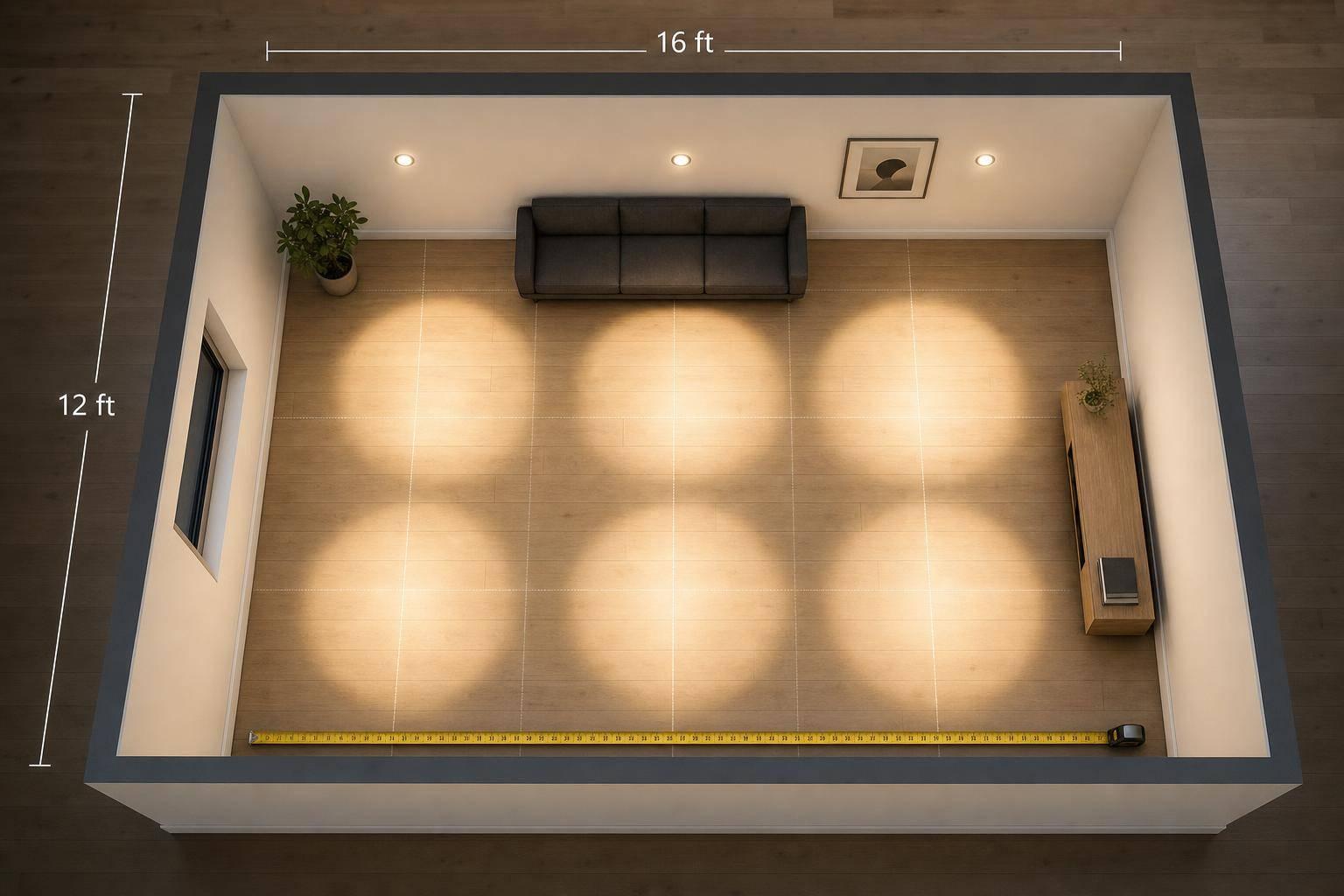
A Lighting Design Calculator is a helpful way to estimate how many fixtures a space may need before you move into detailed layout work. Instead of guessing, you can start with room dimensions, target illuminance, fixture lumen output, and common design factors like CU and LLF to build a realistic first-pass lighting plan.
This type of tool is especially useful for offices, classrooms, retail spaces, workshops, and general interior rooms where you need a quick fixture count. If you're comparing options or checking whether a proposed light level makes sense, a lighting design calculator can save time and reduce costly oversizing or undersizing.
The calculator uses the standard lumen method, which is widely accepted for preliminary lighting layout estimates. It also handles lux, foot-candles, feet, and meters, making it easier to work across different project standards without stopping to convert units manually.
A solid fixture count calculator gives you room area, total lumens needed, and an assumptions summary you can review before selecting final products. It’s a smart starting point for anyone who wants practical lighting estimates that are quick, consistent, and easy to understand.
It's best used for preliminary planning, budgeting, and early layout decisions. The calculator follows the standard lumen method, which is widely used for estimating fixture quantity, but real-world results can still vary based on fixture spacing, room reflectance, beam spread, mounting conditions, and the actual photometric performance of the product you choose.
Both measure illuminance, which is the amount of light landing on a surface. Lux is the metric unit, while foot-candles are commonly used in imperial projects. This tool supports both, and if you mix unit systems, it converts the values as needed so you can still get a reliable estimate without doing manual math.
CU, or coefficient of utilization, accounts for how efficiently fixture lumens actually reach the work area. LLF, or light loss factor, adjusts for real-world reductions over time, such as dirt buildup, lamp aging, or other performance losses. Including both gives you a more realistic estimate than using fixture lumens alone.


