.svg)
Discover how daylighting technology reduces energy use, boosts productivity, and supports sustainable building design.

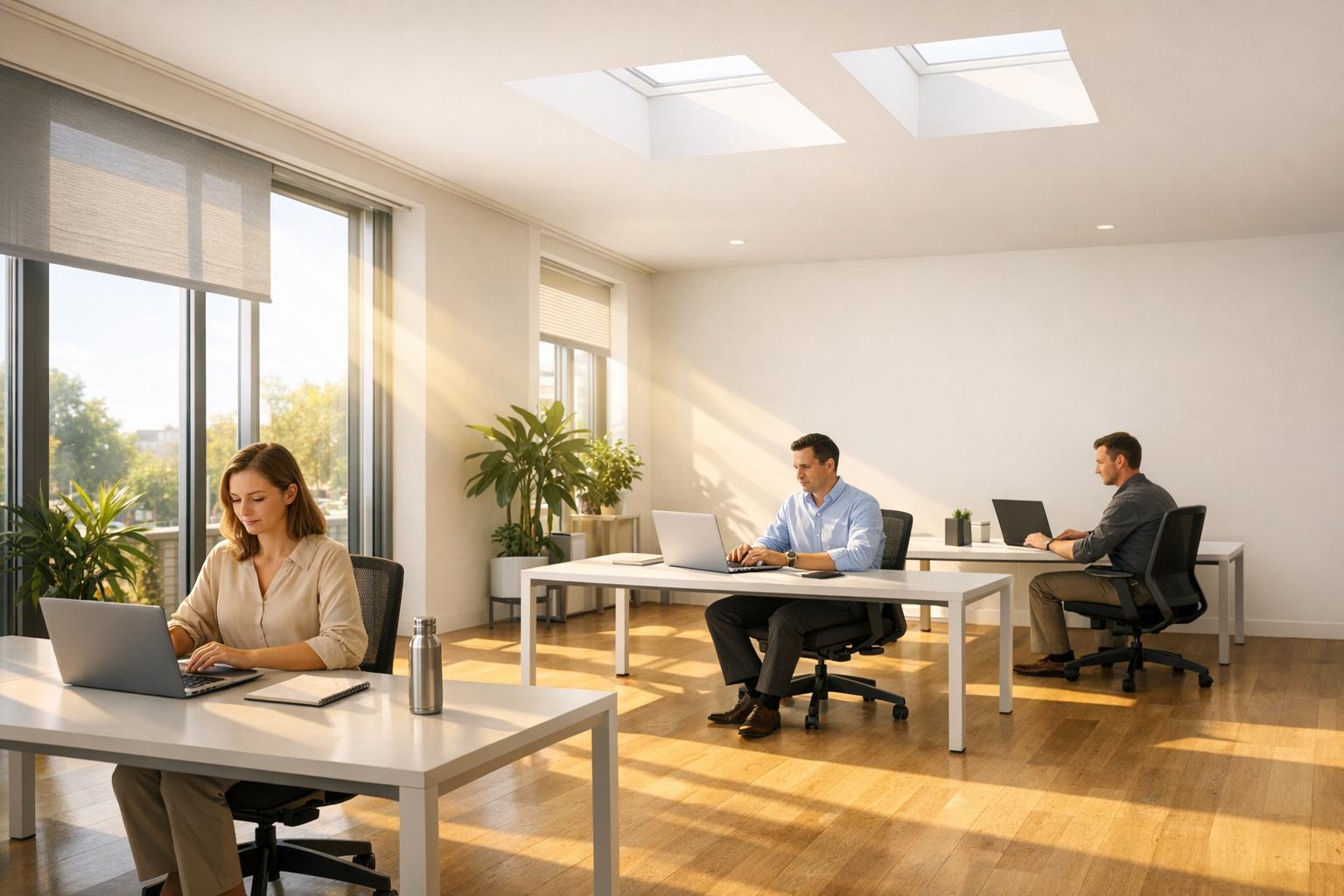
In the world of modern architecture and building design, a powerful shift is underway - one that prioritizes sustainability, energy efficiency, and human well-being. At the heart of this transformation is daylighting technology, a method that goes beyond merely lighting up spaces to addressing our biological, psychological, and environmental needs.
In a recent interview with Neil Dyard, Vice President at Kingspan Light and Air, the conversation delved deep into the world of daylighting and its role in shaping the future of buildings. From productivity boosts to energy savings, daylighting is not just a cost-saving measure; it’s a pivotal step toward creating spaces that are efficient, sustainable, and human-centric.
This article explores the essence of daylighting, its benefits, challenges, and how it is paving the way for smarter, greener buildings. If you’re managing a commercial property, school, or municipal building, here’s why you need to pay attention to this transformative technology.
At its core, daylighting involves harnessing natural light from the sun and sky to light indoor spaces, reducing reliance on electric lighting. It’s a sophisticated combination of architecture and technology, utilizing tools like:
Daylighting is not about replacing windows but complementing them. While windows provide a visual connection to the outdoors, they don’t effectively distribute or redirect light into meaningful areas of a space. Daylighting technologies, on the other hand, "capture, transfer, and deliver" natural light into buildings in controlled ways. This ensures that light is directed precisely where it’s needed, such as desks, walls, or workspaces.
Daylighting offers an impressive array of advantages that go beyond energy savings. Let’s break them down into three categories:
Daylighting can significantly lower energy consumption in buildings, especially during peak daylight hours. According to Neil, well-designed daylighting systems can reduce the need for electric lighting by up to 97% during occupied hours. This has profound financial implications for buildings with high energy costs, such as warehouses, schools, and offices.
Moreover, daylighting reduces the heat load in buildings since it eliminates the need for traditional electric lighting that generates heat. By lessening the cooling demand, building owners can also downsize mechanical systems, leading to further cost savings.
"Energy savings are just the starting point", Neil explained. "Daylighting helps reduce peak energy demand charges, making it a smart long-term investment."
One of the most compelling benefits lies in its biological and psychological impact. Natural light is a key driver of human circadian rhythms, which regulate sleep-wake cycles, alertness, and overall well-being.
Studies have shown that daylighting in offices can lead to a 6% increase in worker productivity, as employees feel more alert and less fatigued. In schools, it improves student performance, and in hospitals, it accelerates patient recovery.
Neil emphasized, "Daylight doesn’t just light spaces; it drives how we function as living beings. It affects hormone production, neurotransmitters, and even our perception of spaces."
Vertical surfaces, like walls, lit with daylight also have a psychological effect. Humans inherently prefer bright, well-lit environments, which enhances mood and fosters collaboration.
Daylighting is a cornerstone of sustainable building design. By reducing energy consumption and reliance on fossil fuels, it significantly lowers a building's carbon footprint.
Kingspan, for example, has integrated daylighting into their operations with remarkable results. Their manufacturing campus in Southern California is energy positive, meaning it generates more electricity than it uses, thanks to a combination of efficient daylighting and photovoltaic systems.
Looking ahead, Neil envisions a future where buildings are smarter, more adaptable, and human-centric. The next generation of architecture will not only focus on efficiency but also on enhancing the experience of occupants.
"Buildings in 20 years may not look drastically different, but the technology integrated into them will be much smarter", Neil said. "We’ll see dynamic, adaptive systems that respond to the needs of occupants throughout the day, blending energy efficiency with comfort."
One particularly exciting vision involves windows and building envelopes that are multifunctional - able to dynamically adjust to environmental conditions, regulate temperature, and even generate electricity.
Innovation comes with its own set of challenges, and daylighting is no exception. Early versions of the technology faced hurdles in scaling production, sourcing cost-effective materials, and adapting to different architectural trends.
Today, the technology has matured significantly, but challenges remain in retrofitting older buildings or educating stakeholders about the benefits of daylighting. Neil stressed the importance of ongoing improvement:
"Successful companies constantly evolve. You must adapt to changing science, consumer needs, and architectural styles. Innovation is a process, not a destination."
Whether you’re designing a new commercial building or retrofitting an existing one, daylighting is no longer a luxury - it’s a necessity.
Daylighting is more than a lighting solution - it’s a paradigm shift in how we design and use buildings. By prioritizing natural light, we create environments that are not only cost-efficient but also healthier, more productive, and ecologically responsible.
As industries embrace these technologies, the horizon looks bright - literally and figuratively. With innovation driving the way forward, the future of sustainable architecture is here, and it’s powered by the sun.
Source: "Daylighting Technology: Why Natural Light Is the Future of Sustainable Buildings | Neall Digert" - An Hour of Innovation with Vit Lyoshin, YouTube, Mar 10, 2026 - https://www.youtube.com/watch?v=IP6xXOBTUps


