.svg)
Learn how energy audits identify waste, reduce carbon footprints, and increase efficiency in buildings with proven strategies and tools.

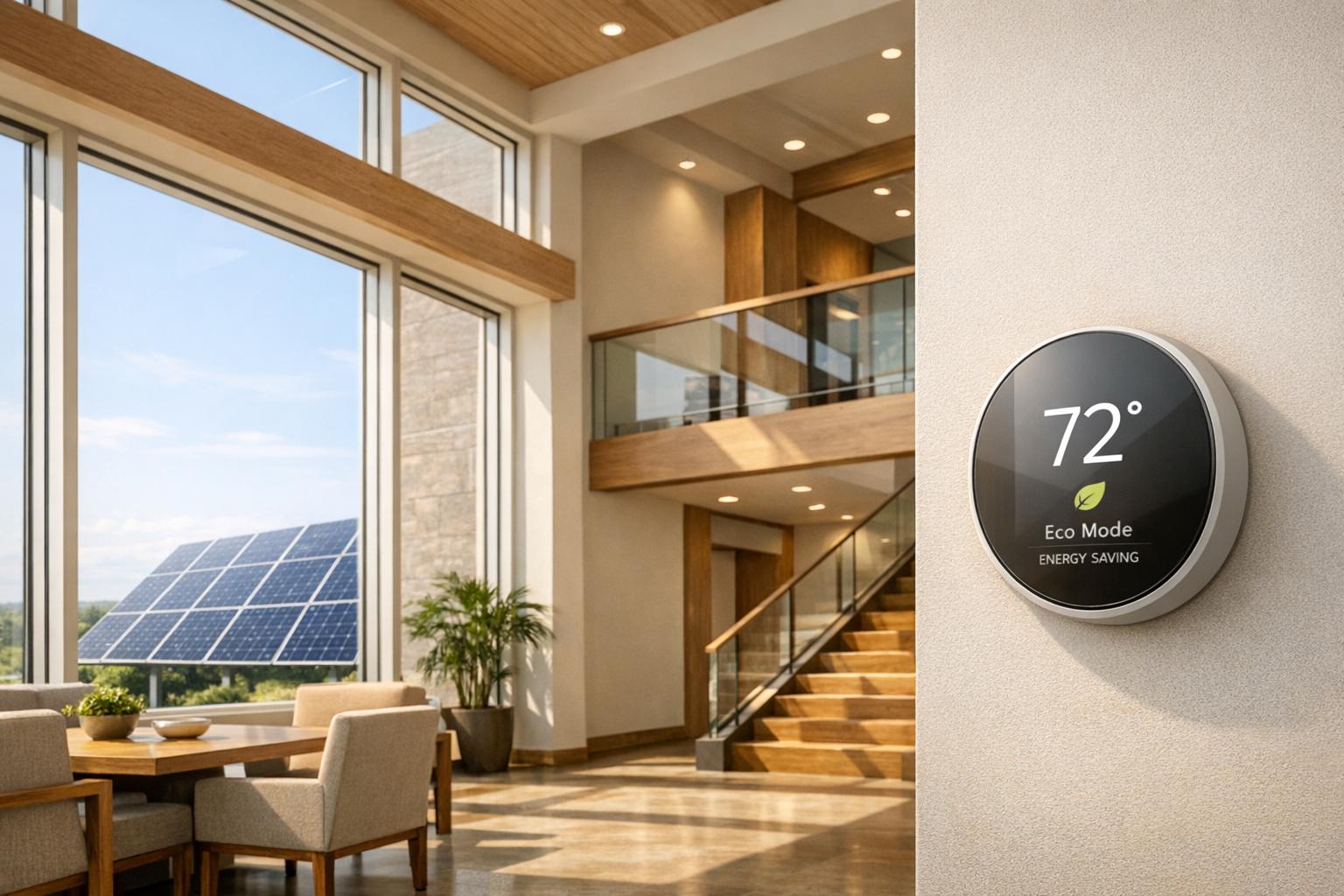
In today’s world, businesses face increasing pressure to adopt sustainable practices to meet regulatory, economic, and environmental goals. For commercial real estate owners, facility managers, and municipal agencies, energy audits are a vital first step in cutting energy waste and achieving measurable carbon reductions. But what exactly is an energy audit, and how does it help organizations reduce their carbon footprint?
This comprehensive article dives into the key components of energy audits and explains why they’re an invaluable tool for anyone looking to improve energy efficiency, optimize costs, and make meaningful progress toward sustainability goals.
An energy audit is a detailed, systematic evaluation of how a building or facility consumes energy. It’s more than just a routine inspection; it’s a data-driven analysis that pinpoints inefficiencies, quantifies energy waste, and provides actionable recommendations to reduce consumption. Unlike a quick walkthrough, an energy audit examines every major energy-consuming system, from lighting and HVAC to insulation, motors, and IT equipment.
A professional energy audit generally includes the following steps:
The result? A targeted, actionable plan to reduce energy waste and lower your carbon footprint.
Reducing your facility’s carbon footprint isn’t just about environmental responsibility - it’s a strategic imperative. Every kilowatt-hour of electricity or cubic meter of natural gas consumed typically results in greenhouse gas emissions, driving climate change. Facilities that operate inefficiently not only waste money but also contribute unnecessarily to this global challenge.
By identifying and eliminating energy waste, organizations can significantly reduce their greenhouse gas emissions while also cutting utility costs. It’s a win-win scenario that aligns with both financial and environmental priorities.
Energy audits are powerful tools for identifying inefficiencies and developing solutions that directly reduce your carbon footprint. Here’s how they work:
Even modern buildings can harbor inefficiencies, such as:
Using advanced tools like infrared cameras and data loggers, energy audits uncover these hidden issues. For example, an infrared camera can reveal heat escaping through poorly insulated windows, while data loggers can track equipment running outside of business hours.
A great energy audit doesn’t just state that energy is being wasted - it provides specific metrics. For instance, it might reveal that 60% of your facility’s energy use goes to heating and cooling, with opportunities to reduce this by 25%. This kind of targeted insight helps prioritize efforts for maximum impact.
Energy audits provide a customized, prioritized list of improvements tailored to the facility. Common recommendations include:
Each recommendation is accompanied by clear data, such as potential energy savings, estimated carbon reductions, and the cost of implementation. For example, replacing outdated lighting might cut energy use by 60%, translating into a 10% reduction in the facility’s overall carbon footprint.
Not all energy-saving measures require significant capital investment. Operational tweaks, often revealed during audits, can also yield substantial benefits. For instance:
These low-cost changes not only lower energy bills but also demonstrate how minor operational adjustments can contribute to meaningful sustainability efforts.
After addressing inefficiencies, incorporating on-site renewable energy, such as solar panels, becomes more feasible and cost-effective. By reducing overall energy demand through efficiency measures first, facilities can maximize the impact of renewable installations. Additionally, battery storage systems can help shift energy use to times when clean energy is most abundant.
Energy audits don’t end with implementation. Ongoing monitoring and verification are essential to ensure that projected savings are achieved and persist over time. Tools like smart meters and energy management software can track performance, identify emerging issues, and support continuous improvement.
Increasingly, governments and regulatory bodies are requiring energy audits as part of broader climate action initiatives. For example:
By completing an energy audit and acting on its findings, organizations position themselves for regulatory compliance, financial incentives, and reputational benefits.
Consider a commercial office building that conducts an energy audit and discovers its HVAC system operates until 10 p.m., even when the building is vacant. By optimizing the HVAC schedule and addressing other identified inefficiencies, the building reduces energy use by 25% and cuts annual carbon emissions by over 100 metric tons. The improvements deliver an impressive 240% return on investment while enhancing tenant comfort and increasing property value.
For decision-makers managing large facilities, an energy audit isn’t just a regulatory checkbox - it’s an essential tool for achieving long-term energy efficiency and sustainability. By identifying inefficiencies, recommending targeted solutions, and enabling smarter operations, energy audits provide a clear path to reducing both energy costs and carbon emissions. Whether you’re upgrading lighting or integrating renewable energy, the insights gained from an energy audit can lead to transformative changes that benefit your bottom line and the planet.
Sustainability starts with actionable data. Leveraging energy audits to optimize your facilities will ensure you’re leading the way toward a greener future, one building at a time.
Source: "How Energy Audits Reduce Your Building's Carbon Footprint" - Sustainability Education Academy, YouTube, Dec 16, 2025 - https://www.youtube.com/watch?v=D7kVO-FOHPw


