.svg)
Optimize your commercial space with our free lighting design analyzer. Calculate lumens, fixtures, and energy costs for offices, retail, and more!
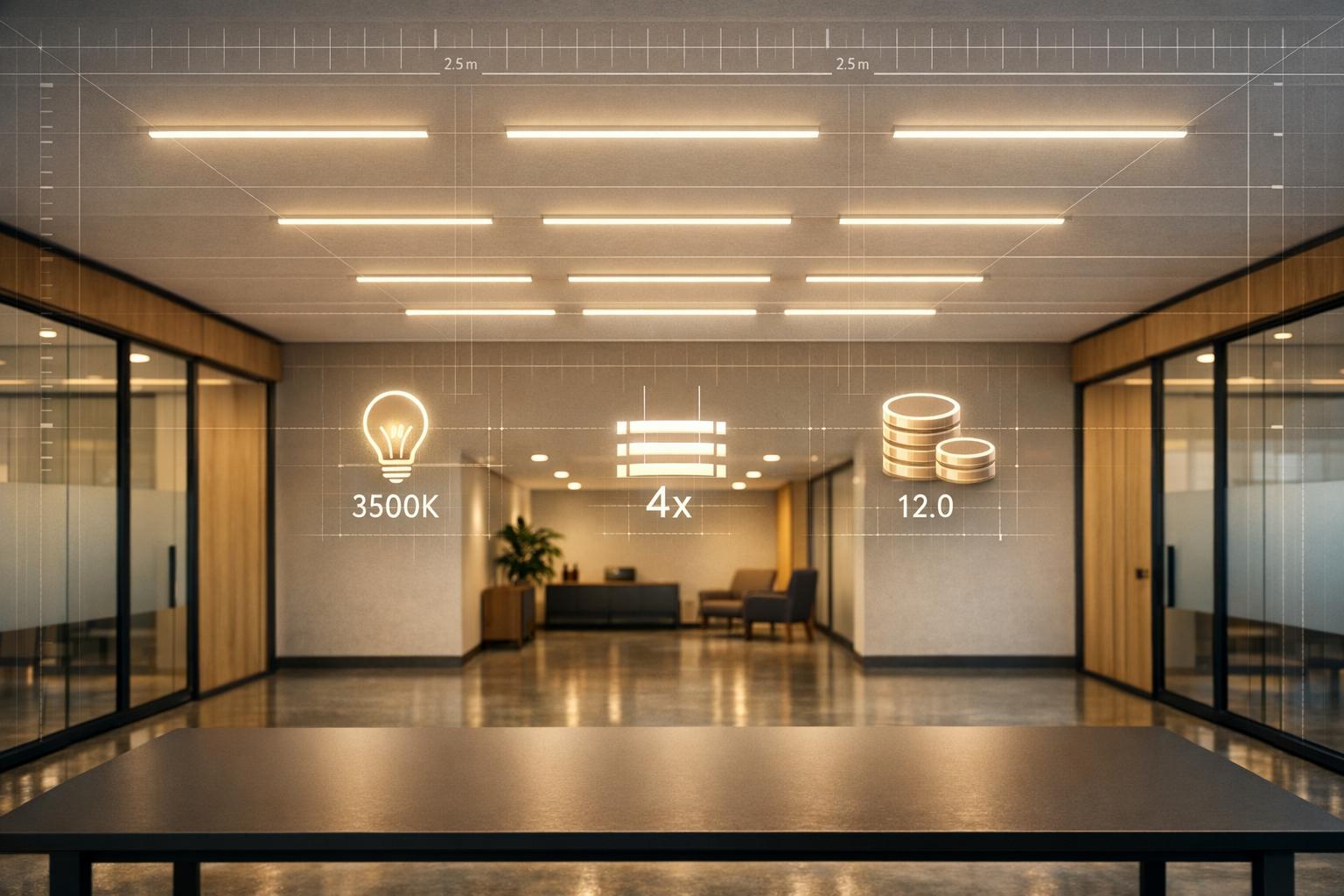
Creating the right ambiance and functionality in a commercial environment starts with proper illumination. Whether you manage an office, run a retail shop, or oversee a warehouse, getting the brightness just right is key to productivity and customer satisfaction. That’s where a tool for planning business lighting comes in handy. It takes the guesswork out of designing a setup that meets industry standards while keeping energy costs in check.
Poor lighting can lead to eye strain, reduced focus, or even safety hazards in workplaces. On the flip side, a well-lit store can draw customers in and boost sales. Tools that analyze lighting needs help you balance these factors by calculating exact requirements based on room size and purpose. You’ll get insights into how many fixtures you need and what kind of bulbs work best. Plus, with energy efficiency being a growing concern, estimating power usage lets you make smarter, sustainable choices for your business space.
Make sure your environment shines—literally—with a solution tailored to your unique needs.
Lux levels vary depending on the type of space and tasks performed. For general office work, 300-500 lux is usually enough for comfort and productivity. Retail spaces often need 500-1000 lux to highlight products and create an inviting vibe. Warehouses might require 200-300 lux for basic operations, but up to 500 lux in areas with detailed tasks. Our tool includes a handy guide to help you pick the right level for your needs.
Bulb type makes a huge difference in energy use and long-term costs. Traditional incandescent bulbs consume more power—often 60-100 watts per bulb—while LEDs use just 10-20 watts for the same brightness. CFLs fall somewhere in between. Our analyzer factors in wattage and efficiency to project monthly or yearly energy costs, so you can see how switching to LEDs might save hundreds over time.
Absolutely! You can input different bulb types or adjust light levels to see how they impact fixture counts and energy use. For example, you might compare a setup with halogen bulbs to one with LEDs for a retail store. The tool will break down lumens required and estimated costs for each, giving you a clear picture of what works best for your space and budget.


