.svg)
Report on Colorado's new home energy rebates and Zero Homes' app to estimate heat pump savings.

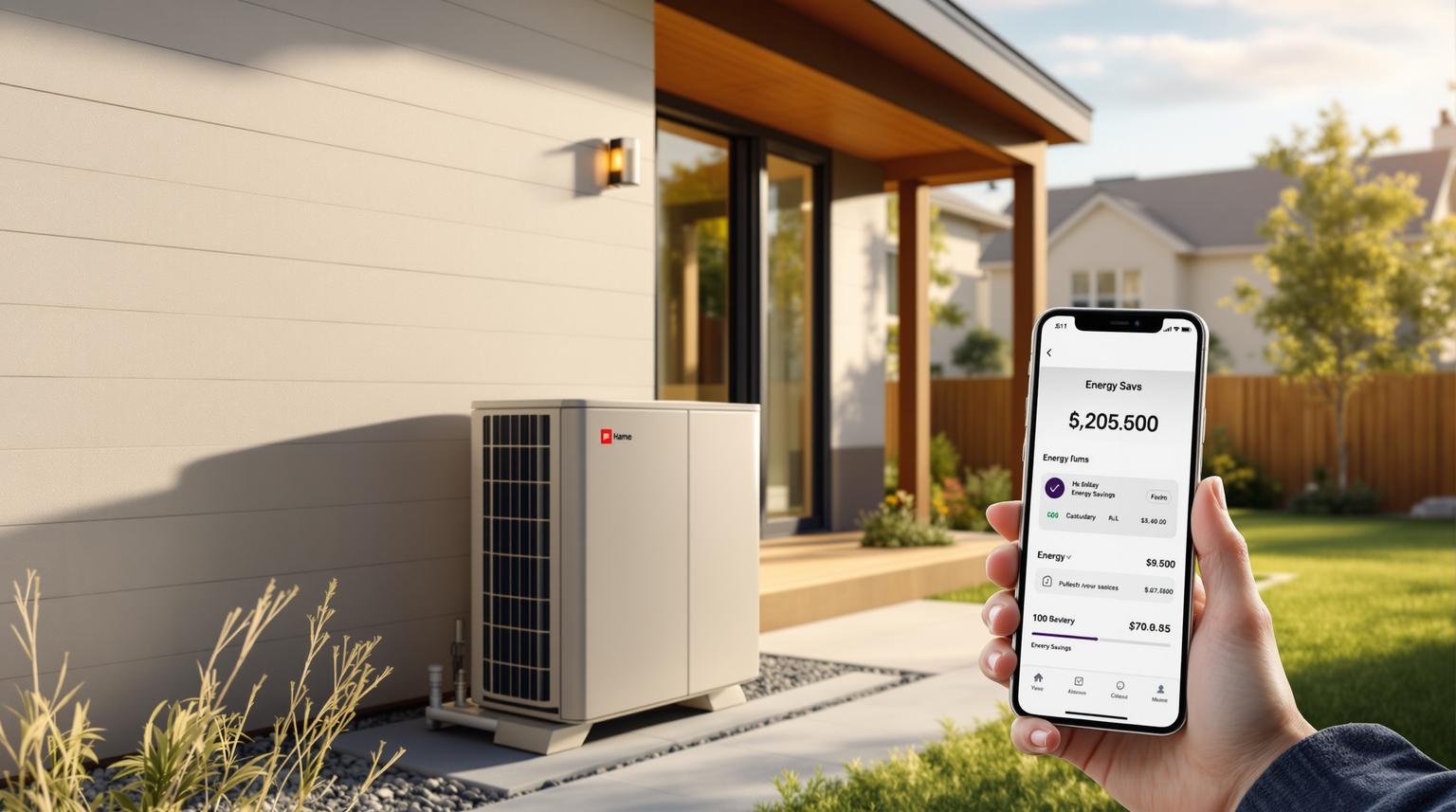
Colorado is making strides in home energy efficiency with the launch of an innovative rebate program and a new app designed to simplify the transition to cleaner, more affordable heating and cooling systems. The state’s effort, supported by federal funds, comes as part of a broader push to improve energy affordability and reduce carbon emissions.
In November 2025, Colorado rolled out its first consumer-friendly rebate program for energy upgrades, offering up to $14,000 for single-family homes and qualified multi-family properties. Administered by the Colorado Energy Office, the program is designed to make energy-efficient upgrades more accessible to homeowners, particularly those opting for heat pumps, insulation, air sealing, heat pump water heaters, and electrical panel upgrades.
Cold-climate heat pumps, which are specifically engineered to perform efficiently in colder weather, can qualify for rebates of up to $8,000, while standard heat pumps are eligible for up to $3,000. These rebates aim to offset the high upfront cost of installing heat pump systems, which the US Environmental Protection Agency’s Energy Star program has recognized as significantly more cost-effective to operate than traditional heating systems, such as oil heat or baseboard electric heaters.
"This grant will support Zero Homes’ mission to accelerate the transition of single-family homes to clean, all-electric systems - reducing carbon emissions, lowering energy costs, and improving indoor air quality for Colorado homeowners and beyond", said Zero Homes in a recent announcement.
To further accelerate the adoption of heat pump technology, the Colorado Office of Economic Development and International Trade (OEDIT) awarded a competitive grant to Zero Homes, a local startup. Known for its app-based tool, Zero Homes provides a user-friendly platform that allows homeowners to estimate costs and savings related to energy efficiency upgrades.
With the support of the grant, Zero Homes plans to expand its operations statewide, forming partnerships with contractors and utilities to help homeowners navigate the rebate process. "This investment will accelerate the company’s growth while contributing to Colorado’s leadership in climate tech and clean energy innovation", the company stated.
The app not only calculates potential savings but also helps homeowners combine this rebate with other financial incentives, such as utility credits, state tax benefits, and remaining federal programs. Zero Homes is ensuring that residents across Colorado - from large cities to rural mountain communities - have the tools and guidance needed to transition to high-efficiency systems.
Until recently, heat pump technology was not seen as viable in cold climates due to performance limitations. However, advancements driven by a 2021 federal "Cold Climate Heat Pump Technology" challenge have changed that, enabling these systems to thrive in colder regions like Colorado.
This development has coincided with a surge in the popularity of heat pumps nationwide. Data from RMI, a leading think tank, shows that between October 2024 and September 2025, heat pump sales in the US rose by 19% compared to gas furnaces. Over the past two decades, annual heat pump sales have increased by 115%, while gas furnace sales have dropped by 11%.
Colorado’s rebate program is just part of a larger trend toward decarbonizing homes. In addition to heating and cooling systems, heat pump technology is being applied to water heaters and even clothes dryers, further displacing traditional fossil fuel-powered appliances.
Zero Homes emphasizes the accessibility and financial benefits of these upgrades. "These rebates are designed to make electrification and efficiency upgrades more affordable for Coloradans, including cold-climate and standard heat pumps, heat pump water heaters, insulation, air sealing, electrical panel upgrades, and more", the company said in its announcement.
As Colorado leads the charge in home energy transformation, the combination of state-level incentives, cutting-edge technology, and innovative startups is creating a blueprint for cleaner, more efficient living. The partnership between the public and private sectors underscores the state’s commitment to both economic and environmental progress.


