.svg)
Estimate your Section 179D deduction for commercial projects based on square footage, qualification path, and labor compliance.

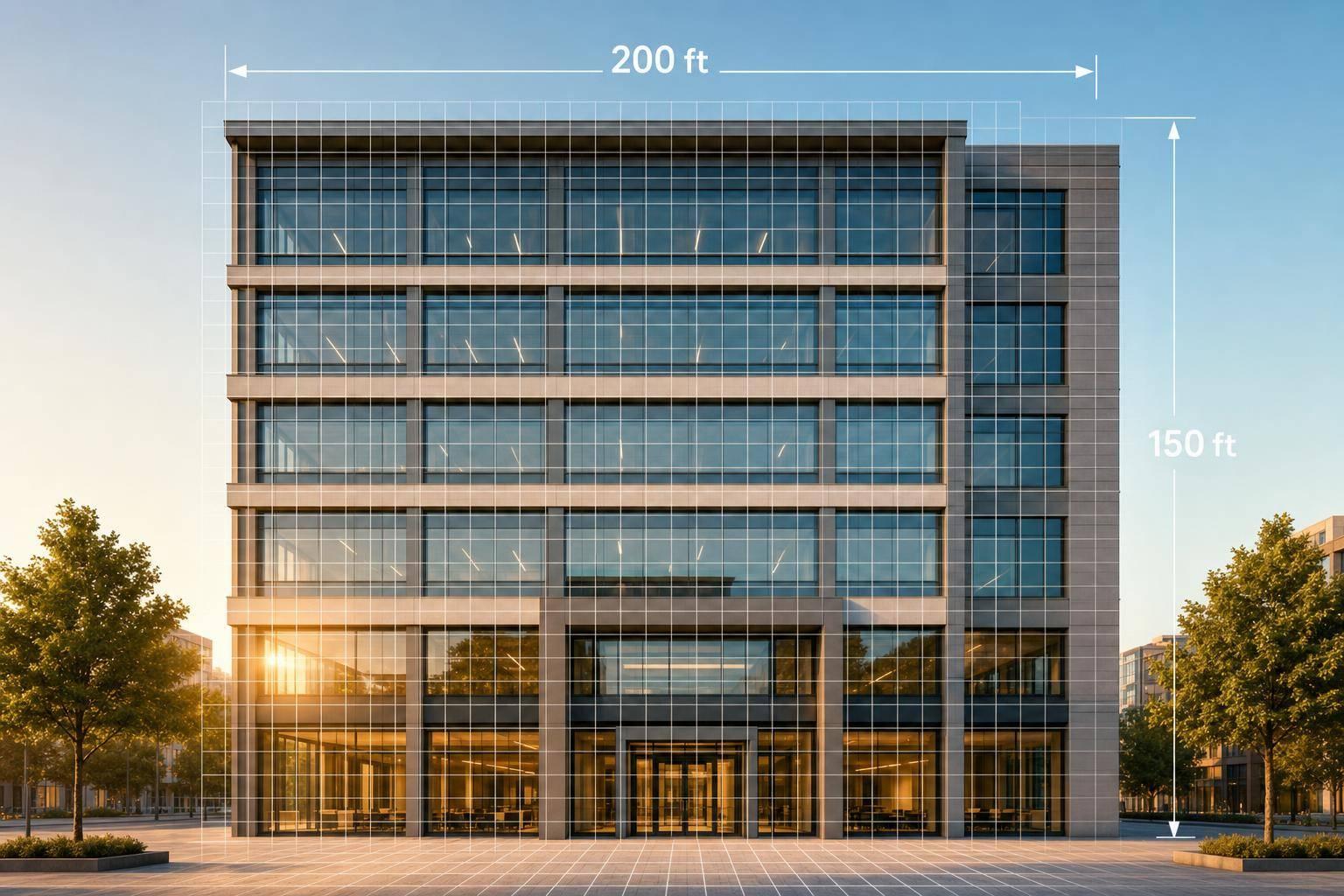
A 179D Tax Deduction Calculator helps project teams estimate the potential federal tax benefit tied to energy-efficient improvements in U.S. commercial buildings. Whether you're reviewing new construction, a retrofit, or a designer allocation from a government or tax-exempt entity, a quick estimate can make early planning much easier.
This calculator focuses on the practical inputs that usually drive a Section 179D estimate: square footage, qualification pathway, energy savings thresholds, and prevailing wage or apprenticeship status. It can also help users compare whole-building eligibility with partial system paths such as interior lighting, HVAC and hot water systems, or the building envelope.
A reliable Section 179D deduction estimate can support budgeting, proposal development, and internal decision-making before a formal engineering study begins. For architects, engineers, contractors, and building owners, that means fewer surprises and clearer conversations about potential tax value.
This 179D calculator is designed for estimation only. Final deduction eligibility and allocation treatment should always be confirmed through a qualified tax professional and a completed 179D study.
No. It gives you an estimate based on the information you enter and the deduction ruleset you select. Actual eligibility depends on project facts, applicable tax law, and a qualified 179D study performed by an approved professional. Think of this as a planning tool, not a final tax determination.
If you select a partial qualification pathway instead of a whole-building path, the calculator applies the matching per-square-foot logic for that system under the selected ruleset. The exact estimate depends on the tax year framework, labor compliance status, and any efficiency thresholds tied to that pathway. This makes it easier to compare whether a single-system upgrade may still support a meaningful deduction.
For newer 179D rules, meeting prevailing wage and apprenticeship requirements can significantly increase the deduction rate per square foot. If those requirements were not met, the allowable rate may be much lower even when the project otherwise appears to qualify. The calculator reflects that difference so users can see how labor compliance may affect potential tax value.


